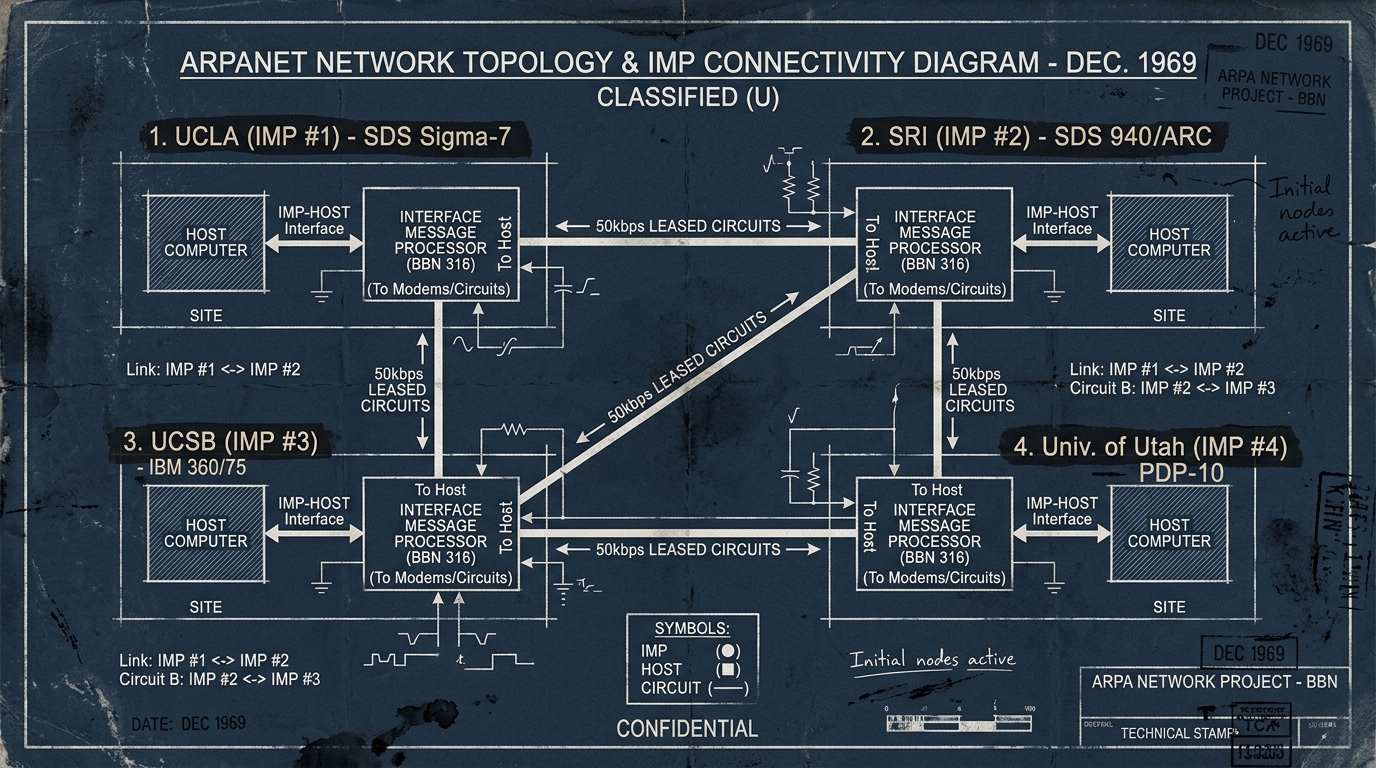
Advanced Research Projects Agency Network
The world's first operational packet-switching network and the direct predecessor of the global Internet. Developed the fundamental TCP/IP protocol suite allowing heterogeneous computers to communicate resiliently.

oN-Line System (Augmenting Human Intellect)
Conceived by Douglas Engelbart at SRI with ARPA funding, NLS debuted the computer mouse, hypertext links, windowed user interfaces, and real-time collaborative document editing during the famed 1968 'Mother of All Demos'.

Shakey the Robot (SRI Mobile Autonomous Robot)
The first mobile intelligent robot capable of reasoning about its own actions. Combined computer vision, natural language processing, and automated path planning in a physical embodiment.

Project Transit & Defense Navigation Satellite System
The foundational satellite navigation technology developed by ARPA, Johns Hopkins APL, and the US Air Force that led directly to NAVSTAR GPS, providing all-weather precision positioning worldwide.
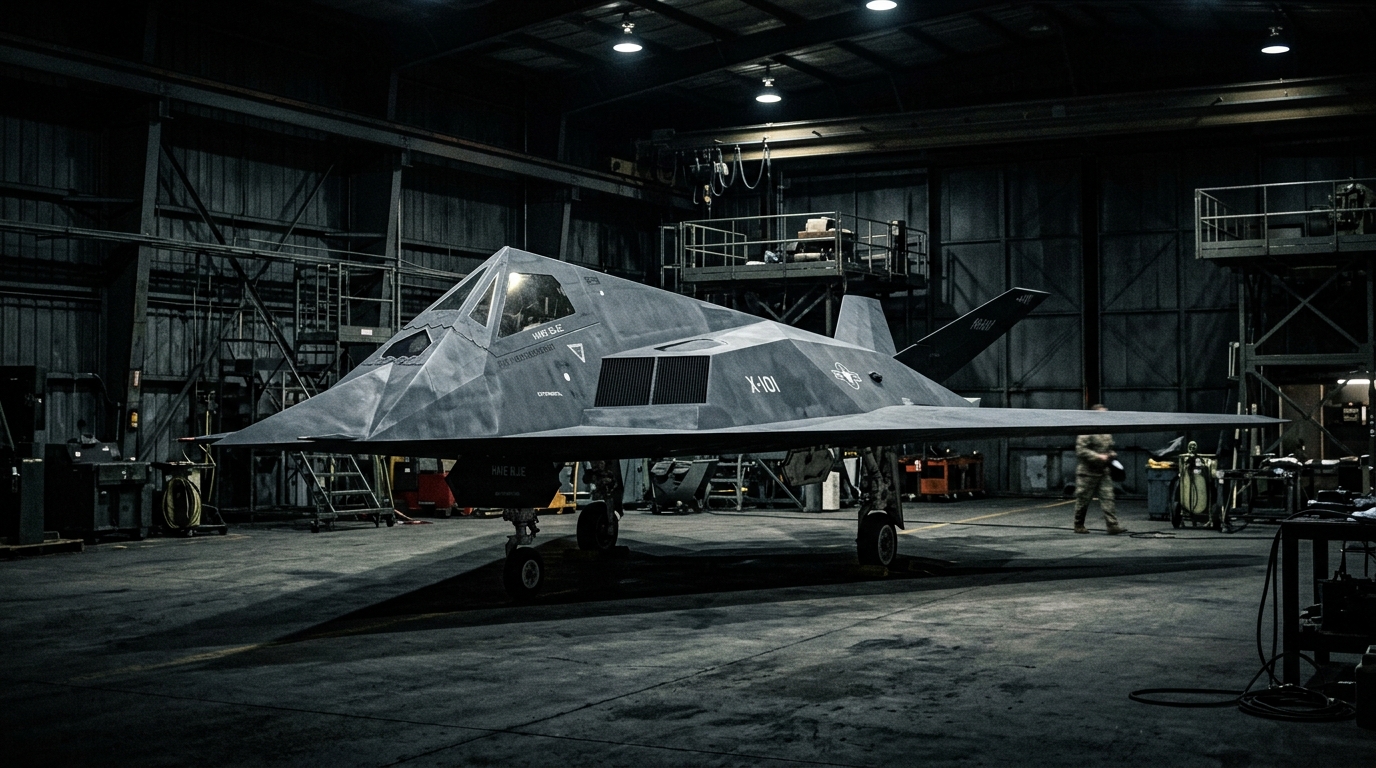
Experimental Stealth Aircraft Prototype
DARPA's landmark stealth project with Lockheed Skunk Works that proved radar cross-section (RCS) could be reduced by orders of magnitude using faceted airframes and radar-absorbent materials (RAM).

Simulator Network (Distributed Interactive Simulation)
Pioneered real-time distributed interactive military simulation connecting hundreds of tank and aircraft simulators over network protocols, laying the foundation for modern multiplayer gaming netcode.

Very Large Scale Integration Microchip Revolution
Funded Lynn Conway and Carver Mead's Mead-Conway VLSI design methodology, decoupling semiconductor design from fab manufacturing and spawning the fabless semiconductor industry and MOSIS service.

Cognitive Assistant that Learns and Organizes
The largest artificial intelligence project in US history at the time, managed by SRI International. Combined machine learning, natural language understanding, and semantic reasoning to create a personalized cognitive assistant.

DARPA Autonomous Vehicle Desert Challenge
A landmark $2 million prize competition to navigate 132 miles of rugged Mojave Desert terrain autonomously. Stanford's 'Stanley' robot vehicle won in 2005, igniting the modern self-driving vehicle revolution.

DARPA Autonomous Urban Driving Challenge
Followed the desert challenges with a 60-mile complex urban driving course at George AFB. Autonomous vehicles obeyed California traffic laws, navigated intersections, merged into moving traffic, and parallel parked.
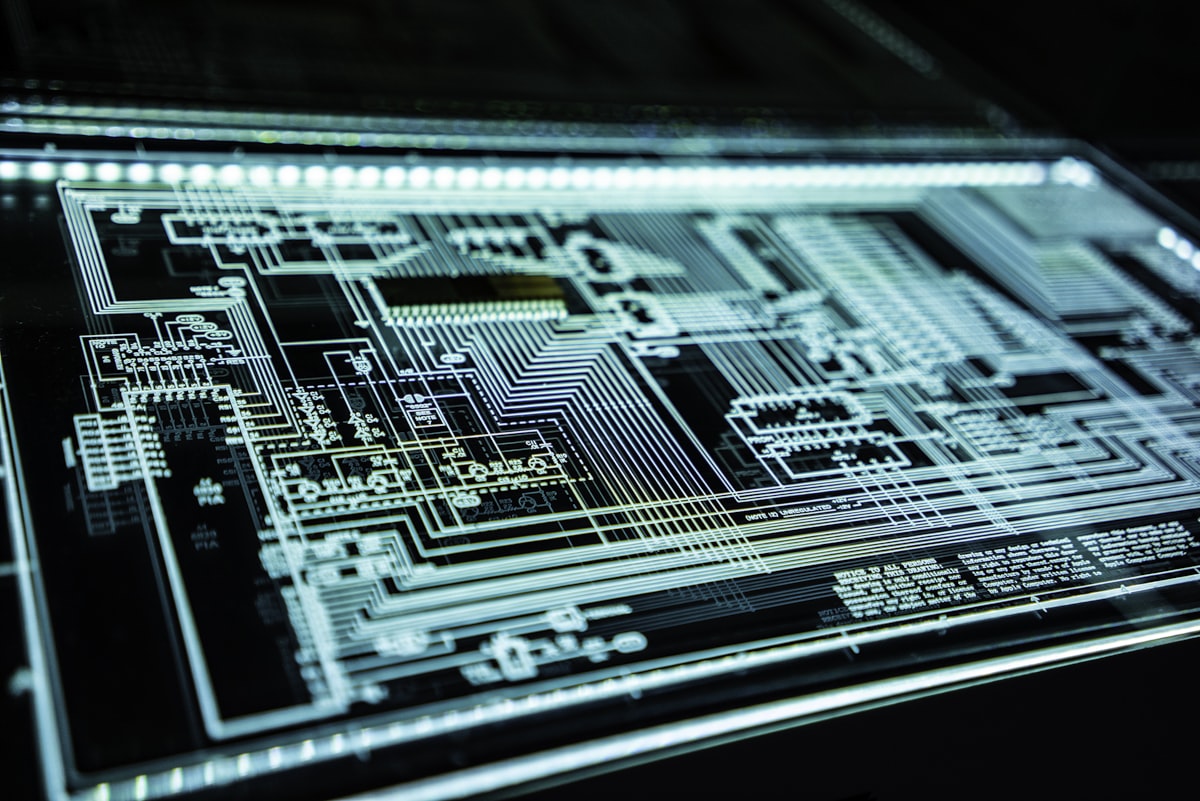
DARPA Cyber Grand Challenge
The world's first fully automated Capture-the-Flag (CTF) tournament held at DEF CON 24. High-performance Reasoning Systems (CRS) automatically discovered zero-day vulnerabilities, generated exploits, and patched code in real time without human intervention.
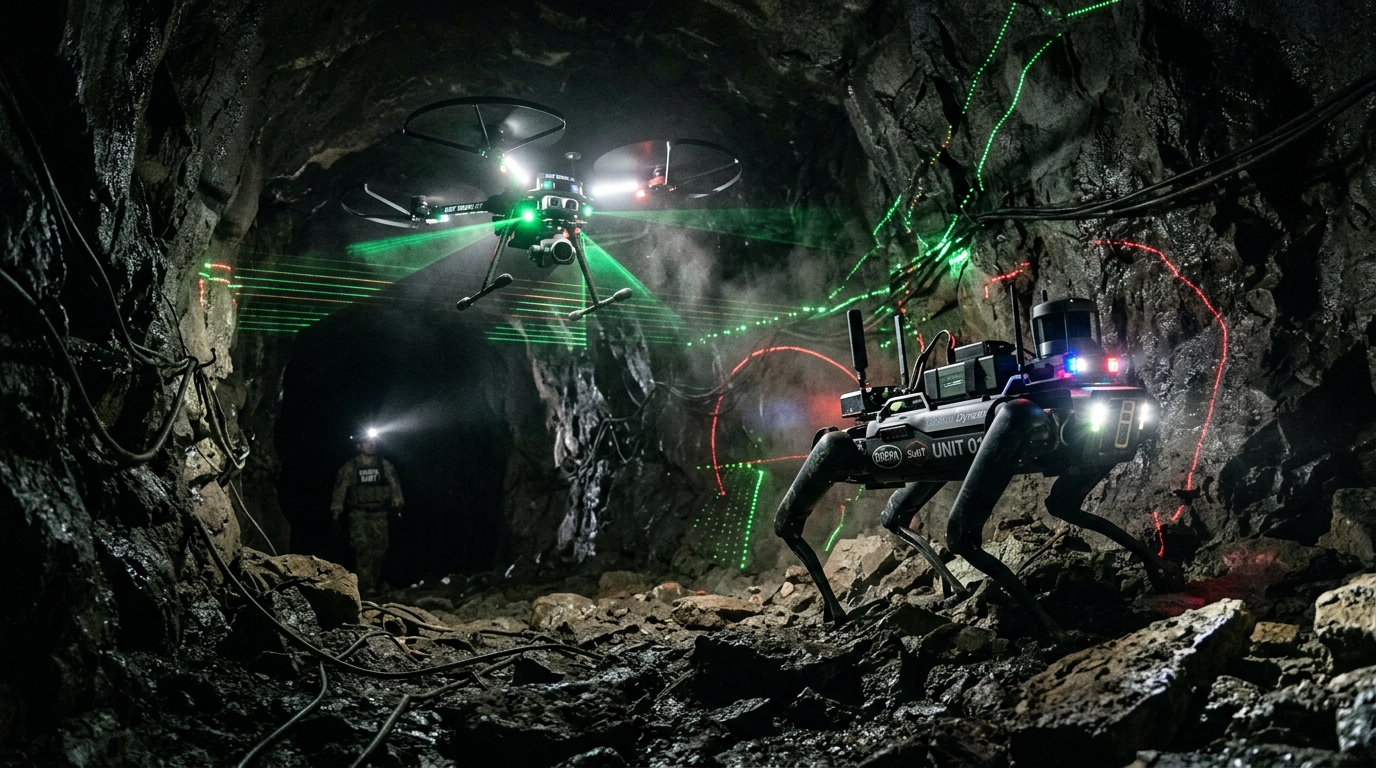
DARPA Subterranean Challenge
Teams of autonomous legged robots, wheeled rovers, and drone swarms mapped and searched GPS-denied underground tunnels, caves, and urban structures to locate survivors and hazards under strict communication constraints.
Spectrum Collaboration Challenge
The world's first collaborative AI radio frequency tournament. AI radios used deep reinforcement learning to dynamically share RF spectrum bandwidth without human intervention in the Colosseum RF emulator.
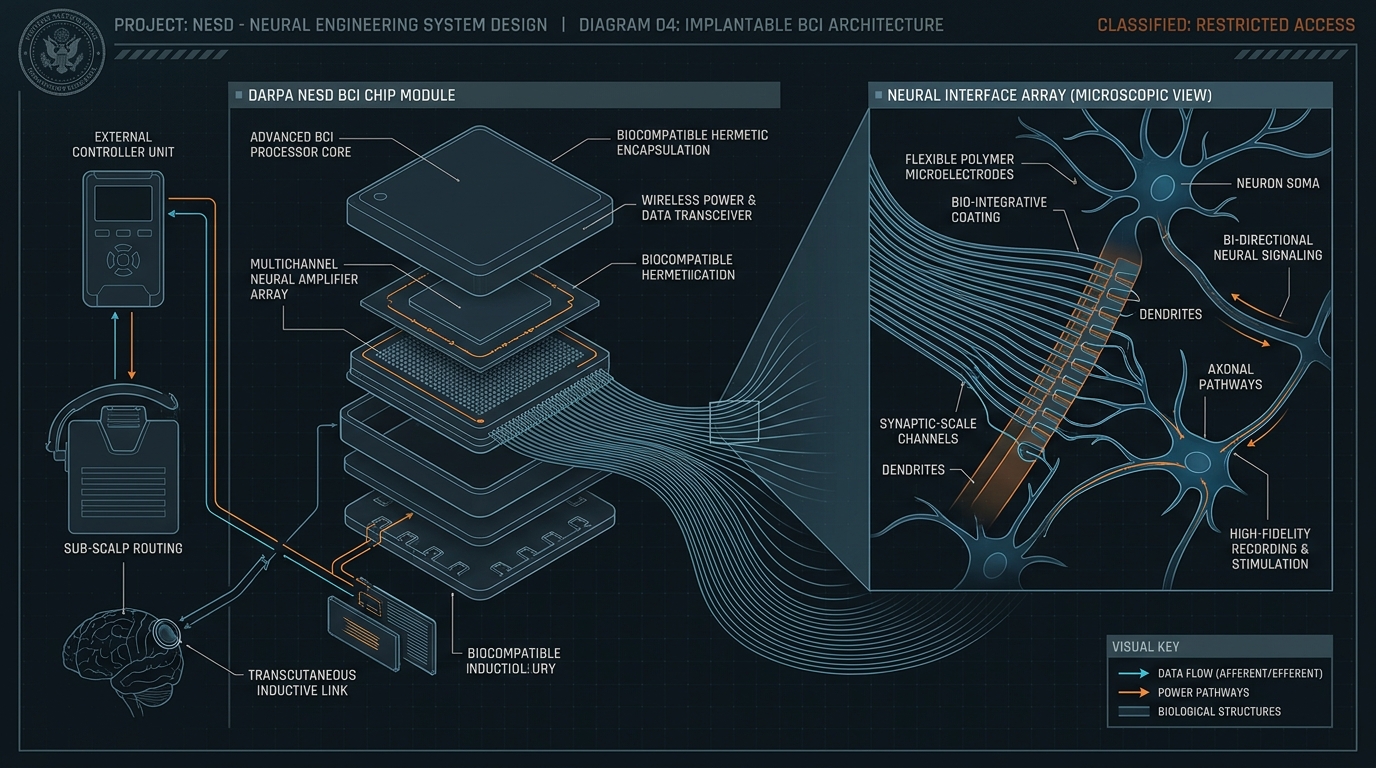
Neural Engineering System Design
Developing high-resolution, implantable brain-computer interfaces (BCIs) capable of bridging the human brain and digital systems. Aims to record from and stimulate 1,000,000 neurons simultaneously in optical/auditory cortex.
Guaranteeing AI Robustness against Deception
Developing theoretical foundations and defensive algorithms to protect deep learning models against adversarial attacks, data poisoning, model inversion, and physical deception patches.

Preventing Emerging Pathogenic Threats
Targeting viral pathogens directly within animal reservoir species (such as bats and rodents) before they spill over into humans using self-disseminating vaccines and gene-drive virus suppression.
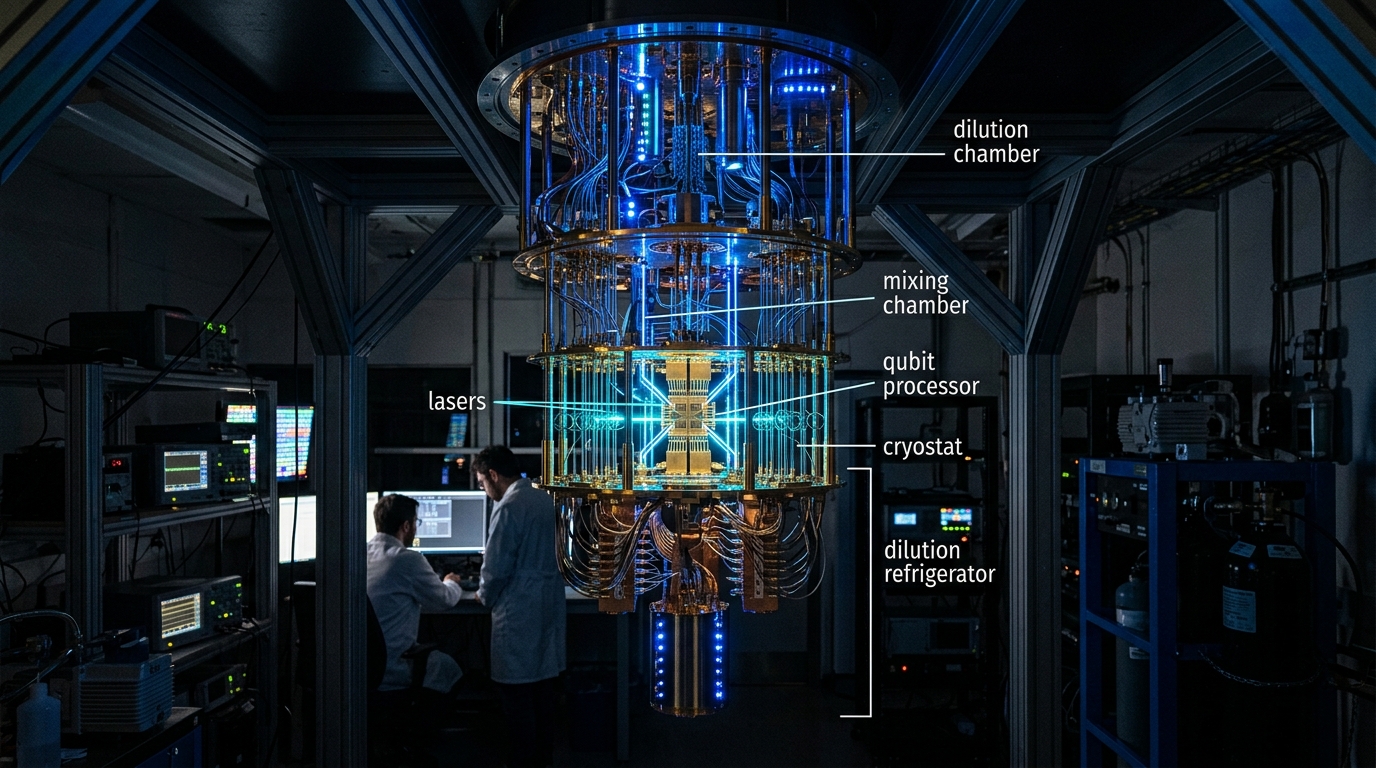
Quantum Benchmarking Program
Rigorously quantifying whether a fault-tolerant quantum supercomputer can solve real-world computational challenges (such as quantum chemistry, materials science, and logistics optimization) faster than classical supercomputers.
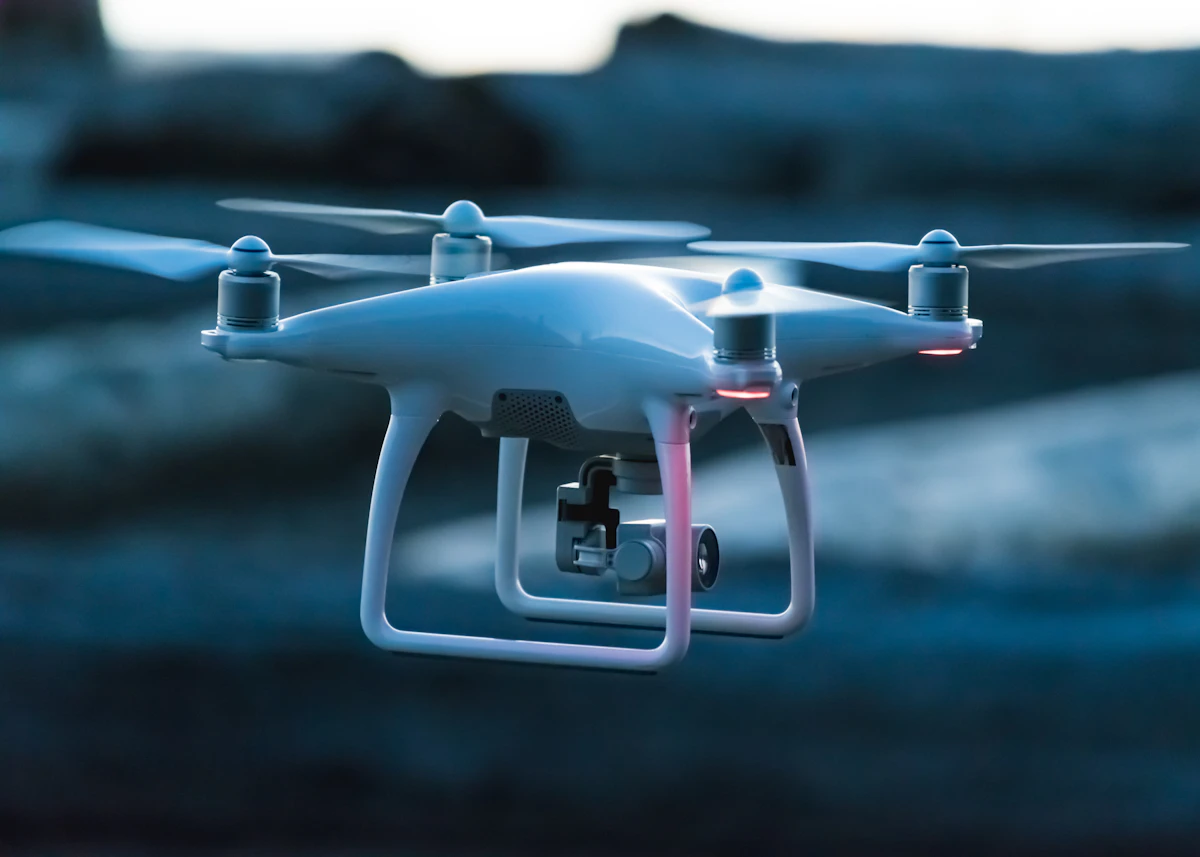
Gremlins X-61A Airborne Drone Swarm Launch & Recovery
Demonstrating airborne launch and autonomous mid-air docking recovery of low-cost micro-drone swarms from C-130 transport aircraft, enabling rapid projection of distributed sensors in contested airspace.
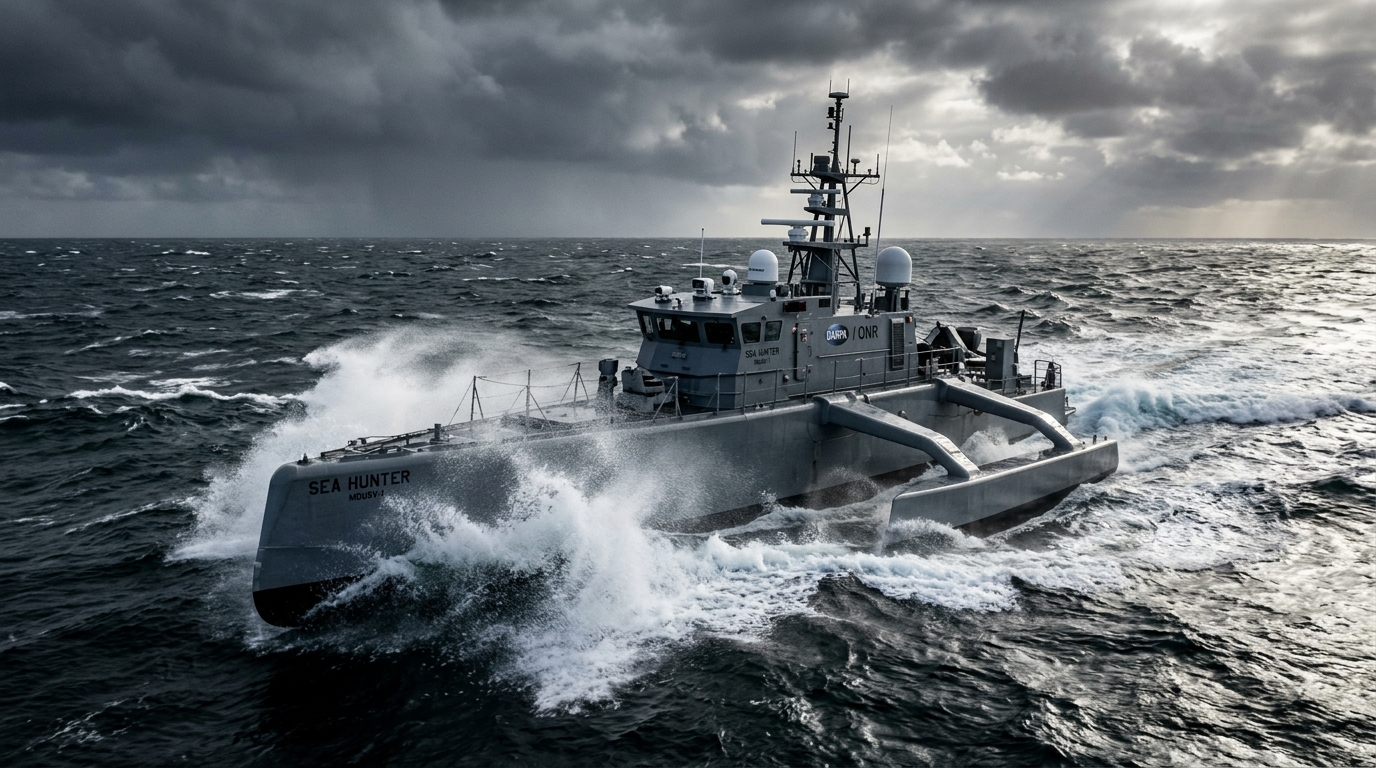
Continuous Compliant Unmanned Vessel (ACTUV)
A 132-foot autonomous trimaran warship capable of operating at sea for up to 90 days continuously without a crew, conducting anti-submarine warfare tracking while complying with COLREGS maritime navigation rules.

Operational Fires Hypersonic Booster
Developing a ground-launched hypersonic boost-glide missile system utilizing throttleable solid rocket motors to rapidly penetrate heavy enemy air defenses and strike high-value time-critical targets.
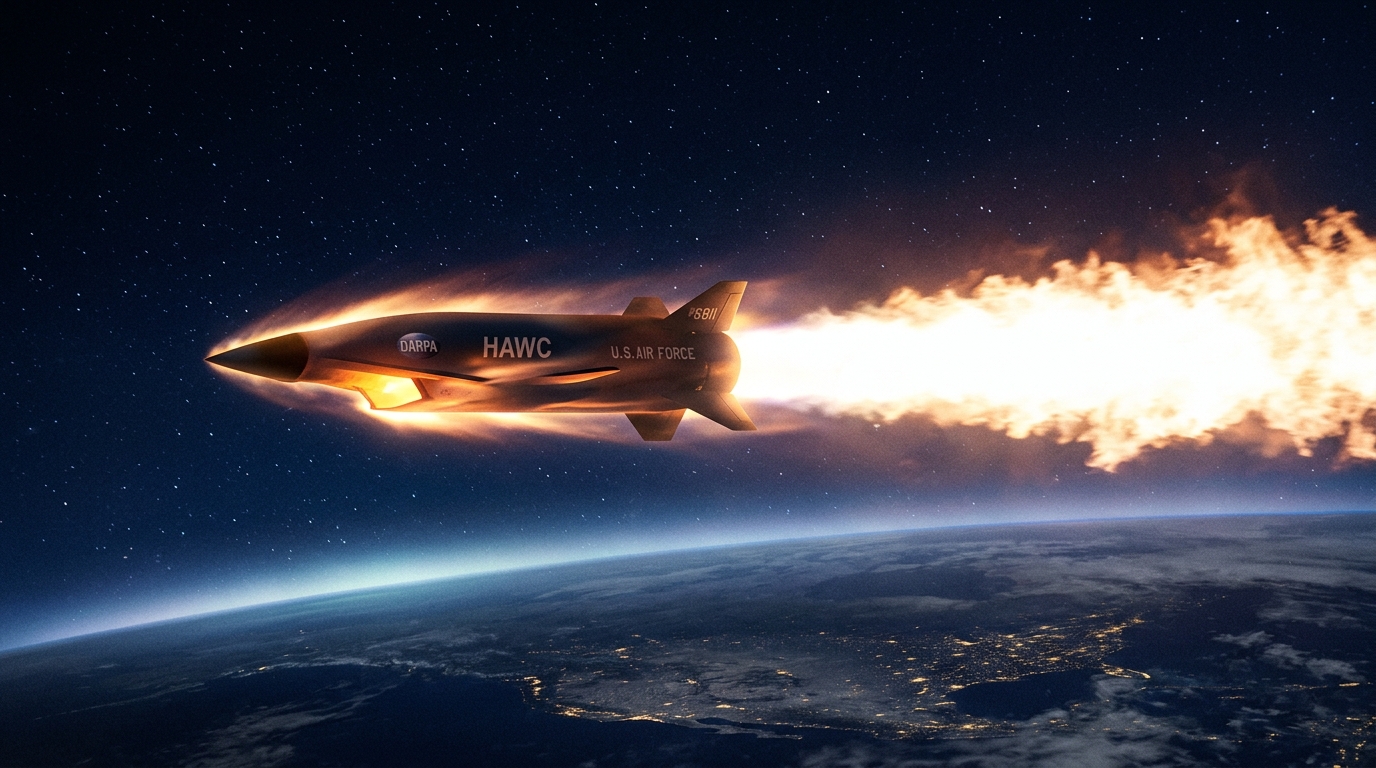
Hypersonic Air-breathing Weapon Concept
Partnered with US Air Force, Raytheon, and Northrop Grumman to flight-test scramjet-powered air-breathing cruise missiles flying at speeds over Mach 5, compressing incoming supersonic air for efficient combustion.
Next-Gen Microelectronics & 3D Heterogeneous Integration
Pioneering 3D Heterogeneous Integration (3DHI) to stack disparate semiconductor die (logic, memory, RF, photonics) vertically in a single microchip package, bypassing traditional 2D silicon scaling limits.

Insect Allies Targeted Plant Genetic Delivery
Using targeted aphid and leafhopper agricultural insect vectors to deliver protective modified viruses to mature crops, engineering immediate resistance against natural drought or biological crop blights.

Symbiotic Design AI CAD Platform
Developing AI co-design agents capable of automatically synthesizing complex physical systems (such as jet engines, microprocessors, and naval hulls) from high-level natural language requirements.

Learning with Less Labeling
Pioneered self-supervised machine learning, active learning, and few-shot adaptation methods that reduced the number of human-curated training labels required to train computer vision models by 99%.
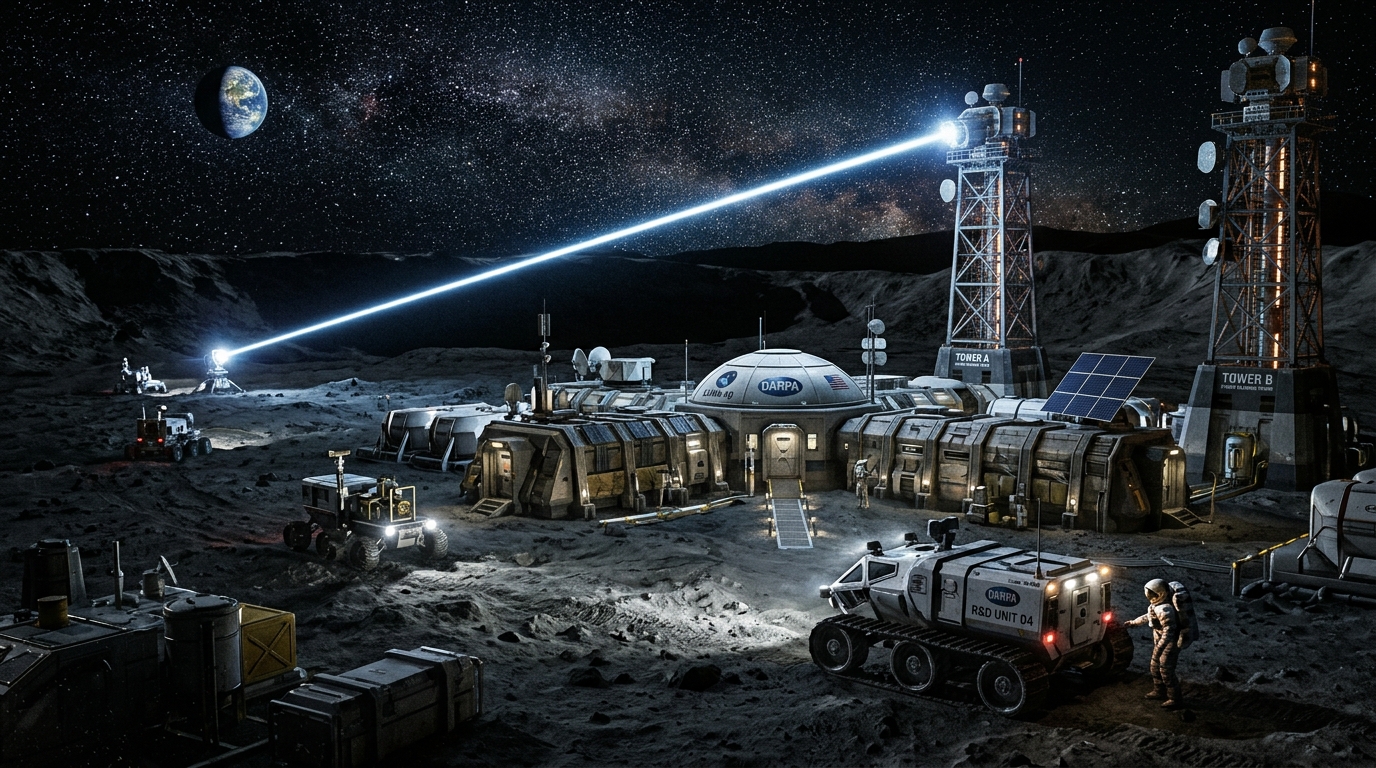
10-Year Lunar Architecture Capability Study
A landmark 10-year study uniting 14 commercial space leaders (including Blue Origin, Northrop Grumman, SpaceX, and Sierra Space) to design a unified, scalable lunar infrastructure framework for wireless power beaming, lunar transit, and communications.
Quantum-Augmented Secure Communications Network
Developing unhackable quantum key distribution (QKD) and entangled photon mesh networks integrated into existing commercial fiber-optic and satellite defense communications grids.
Bio-Hybrid Self-Healing Structural Composites
Engineering living structural materials infused with genetically modified bacterial endospores that automatically repair kinetic armor micro-cracks and seal hull breaches upon physical stress or exposure to seawater.

500kW Coherent Optical Directed Energy Defense
Developing a 500-kilowatt solid-state fiber laser system featuring real-time atmospheric turbulence adaptive optics to neutralize incoming hypersonic glide warheads and anti-ship cruise missiles.

Autonomous National Grid AI Cyber Defense
Deploying autonomous AI cyber defense agents directly inside power grid SCADA control networks, water treatment facilities, and telecom switches to detect state-sponsored zero-day intrusions and automatically isolate infected nodes.